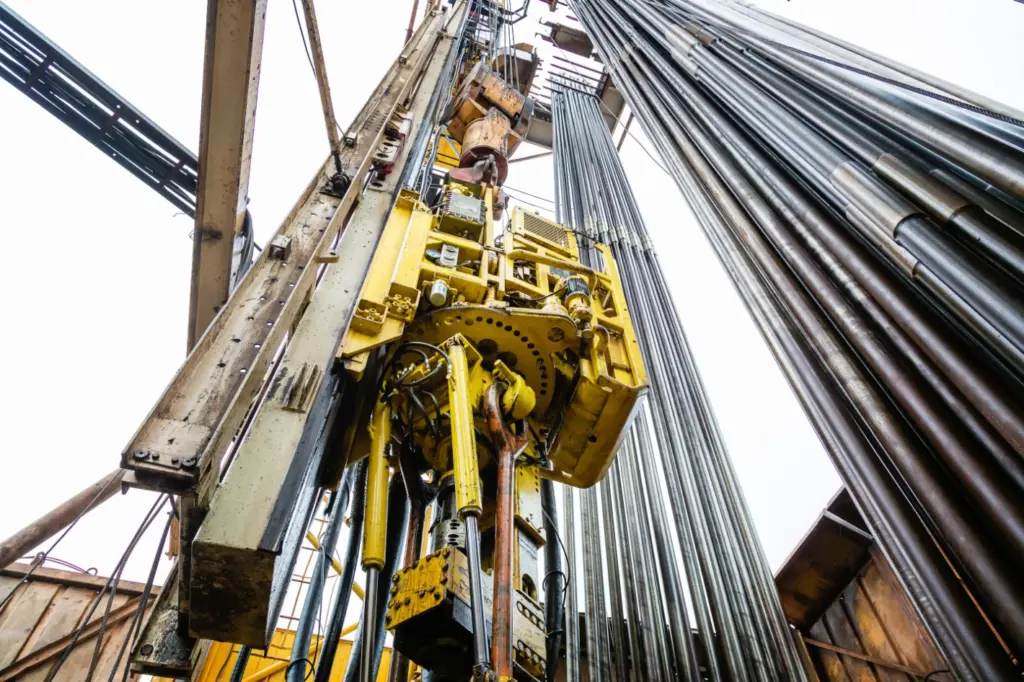
Introduction to Drilling
The Introduction to Drilling course provides a practical overview of the drilling process, drilling terminology, rig equipment, well construction, and production operations. Designed for non-drilling personnel, the course helps participants understand the fundamentals of drilling and communicate more effectively with technical teams.

Overview
The 1-day Introduction to Drilling course aims to provide non-drilling personnel with a comprehensive overview of the terminology and vocabulary of the drilling process.
Designed For
This course is designed for non-technical personnel such as those from finance, HR, supply chain, marketing and technical personnel from non-drilling disciplines such as production operations, facilities management and QHSE.
Course Delivery
This course is delivered over 1 day through a series of interactive lectures, videos and examples to explain and describe the different drilling processes.
Indicative Course Content
The course covers the following modules:
- Introduction
The day begins with a short introduction to provide context to the drilling industry by looking at the supply – demand conditions and the impact this is having on drilling technology developments and drilling environments such as deepwater and Arctic drilling. - Essentials of Geology
A review of the properties that define a good reservoir, the reservoir rock, trap, seal and source. The basic principles of the rock cycle are explained. - Rig Type and Rig Selection
The different types of drilling rig are described and explained from land rigs to the generation drill ships. Rig selection criteria are briefly reviewed. - Functions and Components of a Rotary Drilling Rig
The primary functions of a rotary drilling rig (to provide mechanical and hydraulic energy and hoisting) are explained through a description of the major items of rig equipment and how they are used to drill a well. - Drilling Fluids and Circulating System
The importance of drilling fluid in maintaining wellbore stability and safety are discussed along with a description of the rig equipment used in circulating drilling fluid around the system. - Casing and Cement
The functions of casing and cement are reviewed, and the essential primary cementing process is described. - Directional Drilling
The importance of directional drilling in field productivity is discussed with a description of the methods of drilling a directional and horizontal well using steerable motors and rotary steerable systems in conjunction with LWD. - Completions and Production
Having drilled through the reservoir the well is made ready to produce hydrocarbons. This session describes the essential components in a completion and the methods used to maintain production through wellbore interventions.
Learning Objectives
At the end of this course, participants will be able to:
- Explain how rock, trap, seal and source combine to create a reservoir.
- Identify the major components of the rotary drilling rig.
- Describe what is meant by the circulating system.
- Explain why casing and cement is used to support the wellbore.
- Describe the methods of drilling directional and horizontal wells.
- List the major components within a basic well completion.
Prerequisites
There are no formal prerequisites for this level of training.
Certificate
Students will receive a RelyOn Drilling Academy certificate in Introduction to Drilling. RelyOn Drilling Academy was formerly known as Aberdeen Drilling School and continues to deliver training using the same technical expertise and instructional methodologies developed over decades of drilling industry experience.