Control Room Operator (CRO) Emergency Response
OPITO-approved training preparing control room personnel to support emergency response operations by managing critical information, coordinating communications, and assisting the Incident Management Team during major incidents.


Introduction
The OPITO Control Room Operator Emergency Response Assessment (CRO) is the recognised industry standard for formally verifying the competence of a Control Room Operator to manage critical situations and coordinate an effective emergency response from the control room environment. Unlike a training programme, the CRO assessment is a structured competence verification: it confirms that the delegate already possesses the knowledge and skills required to perform their role in an emergency, and formally documents that competence to the OPITO standard.
In the oil, gas, and petrochemical industries, the Control Room Operator occupies one of the most critical positions during any emergency. The CRO is typically the first point of information during an incident, including monitoring process alarms, interpreting Fire and Gas (F&G) and Emergency Shutdown (ESD) systems, activating alerts, communicating to response teams, and recording critical events in real time. The CRO assessment ensures this role is performed to a verifiable, internationally accepted standard.
The assessment verifies competence in three critical areas: maintaining a state of readiness, controlling developing or existing critical situations, and coordinating an effective emergency response.
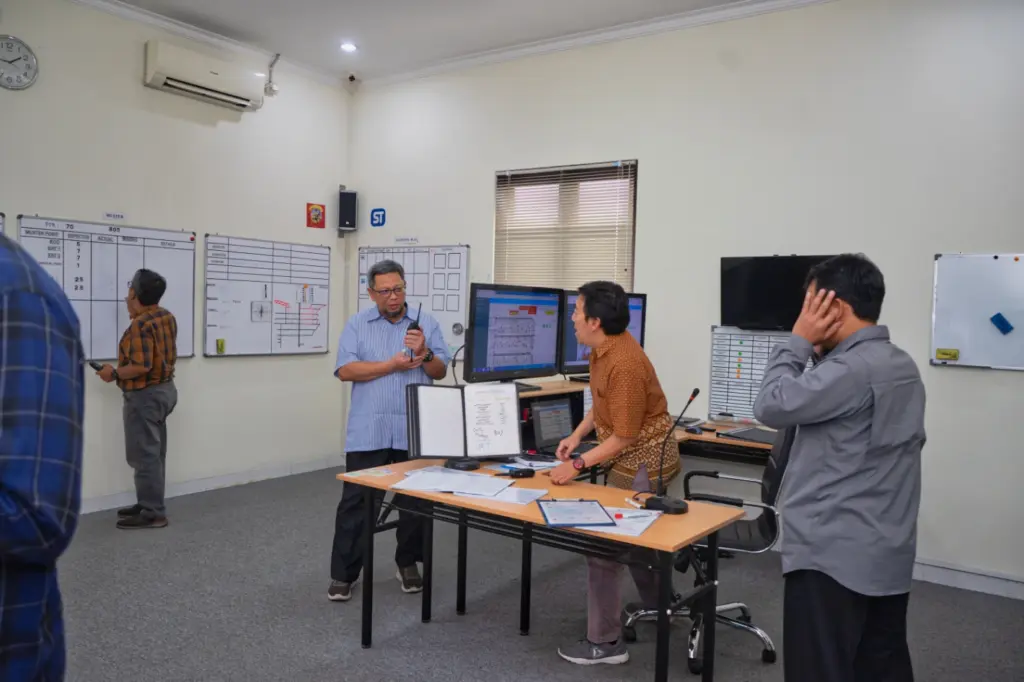
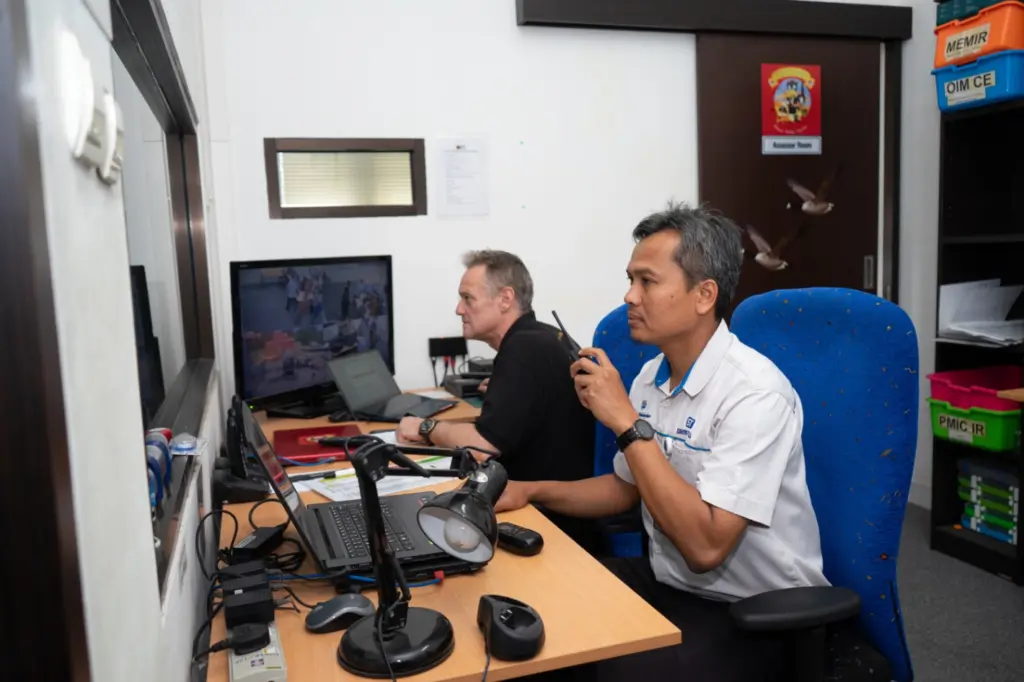
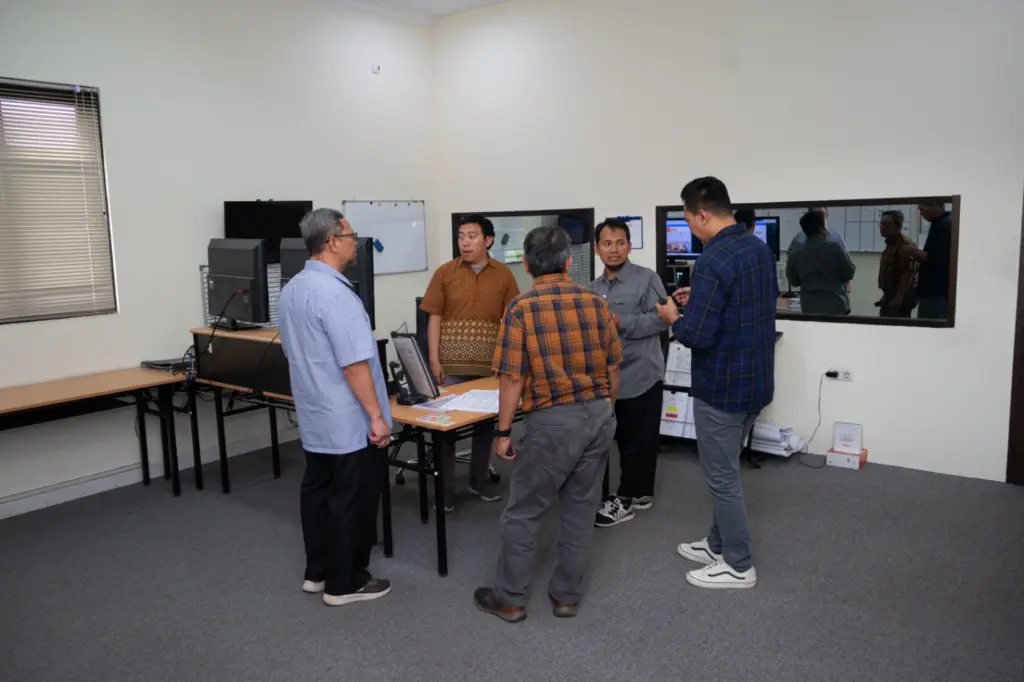
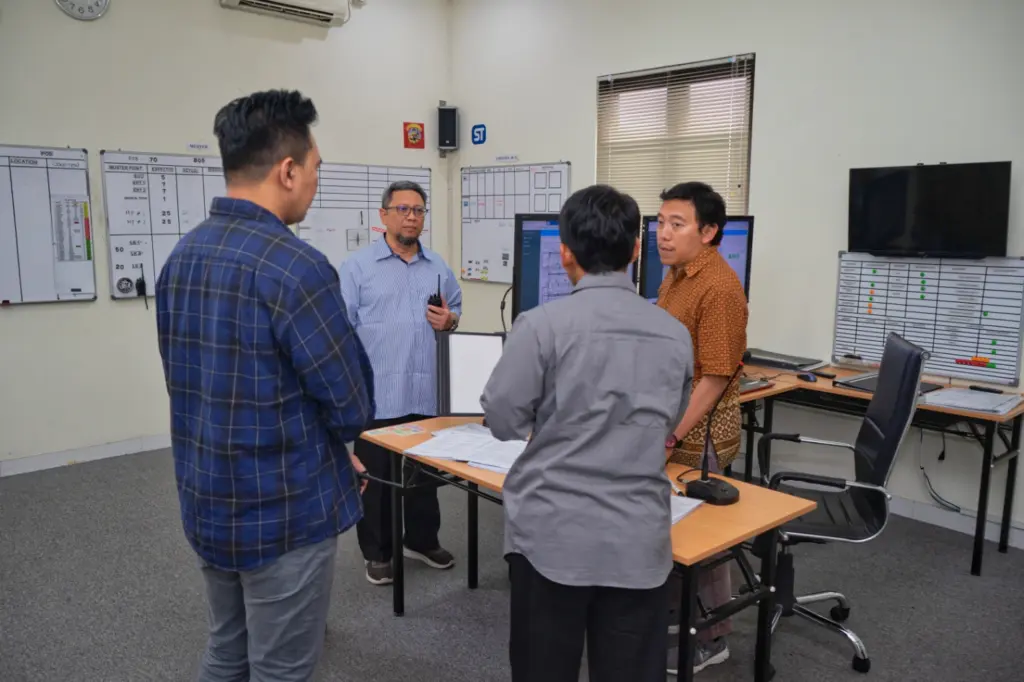
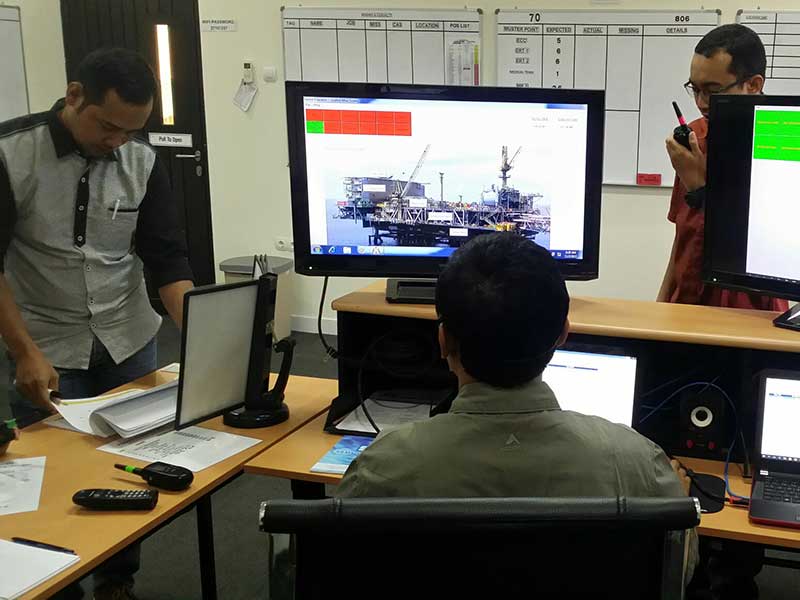
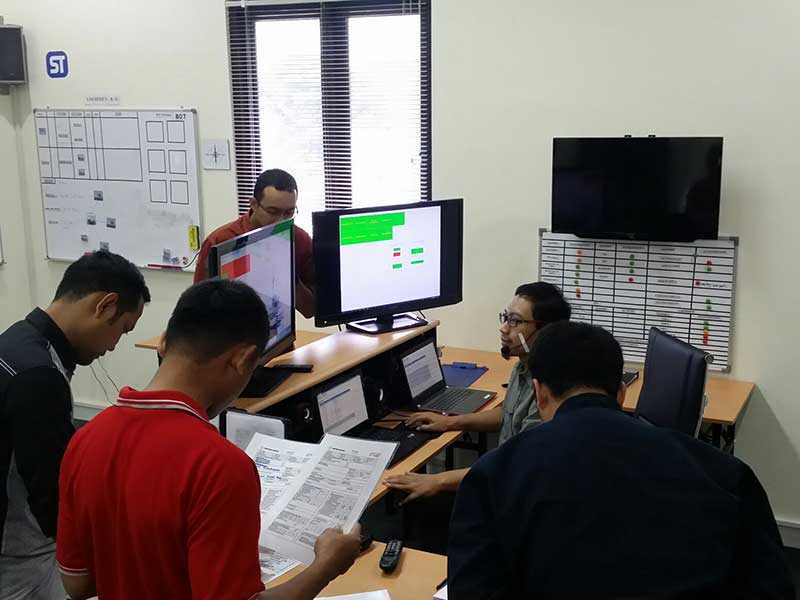
The assessment is delivered in a simulated control room environment using computer-based process logic, realistic alarms, and role-played scenarios that reflect the types of emergencies a CRO would face in practice. Delegates are assessed individually against OPITO Product Code 9004 with a 1:1 assessor-to-learner ratio, ensuring rigorous, personalised evaluation. Following successful completion, delegates receive an OPITO CRO certificate with no formal expiry date, though reassessment is recommended every three years to maintain currency.
Who Needs the CRO Assessment?
The CRO Emergency Response Assessment is intended for personnel who are performing, or are preparing to assume, the role of Control Room Operator and who have been deemed ready by their employer for formal emergency response competence assessment. This includes CROs and panel operators at petrochemical and refinery complexes, production control room operators on offshore installations, DCS/SCADA operators at gas processing plants, and personnel being assessed for appointment to a CRO role.
Completion of this assessment is also a natural progression step for operators who have undertaken the Major Emergency Management Initial Response (MEM-IR) training and who require formal certification of their control room emergency response competence.
Note: Prior to sitting the CRO assessment, the delegate’s employer must provide a formal Duty Holder Declaration confirming that the delegate has demonstrated the required state-of-readiness competence in the workplace and is ready for formal assessment.
Scope
The CRO Emergency Response Assessment (OPITO Product Code 9004, Unit OIS-46) covers the formal assessment of a Control Room Operator’s ability to maintain a state of operational readiness, identify developing or existing critical situations and respond appropriately, and coordinate an effective emergency response from the control room. Assessment is conducted under simulated conditions using realistic emergency scenarios that reflect the types of incidents that can occur in an oil, gas, or petrochemical facility.
The Maintain State of Readiness competence (Outcome 1) is evidenced by a formal Duty Holder Declaration from the delegate’s employer prior to the assessment. All remaining outcomes, covering the control and coordination of emergency situations, are assessed through direct observation during simulated scenarios.
General Course Objectives
The aim and objective of the CRO Emergency Response Competence Assessment are to formally assess the delegate in the role of the Control Room Operator during an emergency situation in a simulated environment. Specifically, the assessment verifies that the delegate can:
- Demonstrate a maintained state of operational readiness, evidenced by employer Duty Holder Declaration.
- Identify developing and existing critical situations and respond appropriately.
- Interpret relevant alarms and take actions appropriate to the situation.
- Monitor critical situations and take effective action to minimise risk to personnel, process, plant and equipment.
- Use appropriate procedures and communicate the critical situation to appropriate personnel.
- Accurately identify and immediately take the actions required to make a situation safe.
- Activate all relevant alarms and communicate all relevant information and instructions effectively.
- Record critical information during the course of an emergency.
Course Content
Outcome 1 – Maintain a State of Readiness
This outcome is evidenced by a formal Duty Holder Declaration from the delegate’s employer prior to assessment. The declaration confirms that the delegate has demonstrated the following in the workplace:
- Effectively accesses current emergency procedures and reports all anomalies
- Identifies all conditions that may affect the emergency response
- Effectively hands over all safety-critical information
- Effectively participates in drills and exercises
- Works safely in accordance with relevant legislation, operational requirements, and associated safe systems of work
Supporting underpinning knowledge confirmed by the Duty Holder Declaration includes the delegate’s ability to access and interpret the current status of relevant equipment and systems (detection, protection, communications, evacuation, impaired systems and their mitigation); interpret the status of operations and simultaneous operations (SIMOPS); access and interpret weather conditions; and identify the availability of key emergency response personnel.
Outcome 2 – Control Critical Situations
This outcome is formally assessed in a simulated control room environment. The delegate must demonstrate competence across the following performance criteria:
- Identify developing and existing critical situations and act on warning signs
- Interpret relevant alarms and take actions appropriate to the situation
- Monitor the situation and take effective action to minimise risks to personnel, process, plant and equipment
- Use appropriate procedures relevant to the situation
- Communicate the critical situation correctly to appropriate personnel
- Recognise limits of authority
Underpinning knowledge assessed in this element includes understanding the operation of and potential implications of Emergency Shutdown (ESD) control systems, and the operation of and potential implications of Fire and Gas (F&G) control systems.
Outcome 3 – Coordinate the Response to Emergencies
This outcome is formally assessed in a simulated control room environment. The delegate must demonstrate competence across the following performance criteria:
- Accurately identify and immediately take the actions required to make the situation safe
- Activate all relevant alarms
- Effectively communicate all relevant information and instructions
- Clarify and act upon information received
- Record critical information
Underpinning knowledge assessed in this element includes the correct response to a wide range of emergency scenarios: making safe, isolating systems, initiating shutdown procedures, initiating or facilitating the evacuation of a work area, informing adjacent facilities, activating internal emergency response teams, activating Emergency Shutdown (ESD), accounting for people, and communicating the critical situation to all appropriate personnel.
Assessment Format
Following a short familiarisation session, the delegate is placed in a simulated control room environment that realistically reflects their operational setting. A computer-based process simulator with representative logic and process flow supports the assessment, presenting the delegate with realistic alarms, system responses, and emergency scenarios. The delegate is assessed individually (1:1 assessor-to-learner ratio) across a minimum of 2 and a maximum of 3 emergency scenarios, and may have up to 3 assessment attempts to achieve the required standard. Each assessment session is followed by a one-on-one debrief highlighting observed strengths and areas for development.
Prerequisites
A formal Duty Holder Declaration from the delegate’s employer is required prior to assessment. This declaration must confirm that:
- The delegate has achieved the workplace performance criteria relating to maintaining a state of readiness, as required under the OPITO CRO Emergency Response Standard.
- The delegate has been deemed ready for formal assessment against Outcomes 2 and 3.
- There are no OPITO-mandated training prerequisites, but it is strongly recommended that delegates are serving CROs or panel operators who have current, relevant experience in a control room environment.
Note on Certificate Validity
While the certification has no expiry period, it is recommended that participants undergo additional exercises every 3 years.
Accommodation Options
The Royal Krakatau Hotel
Emerald by Royal Krakatau
Forbis Hotel Cilegon
Swiss Belexpress Cilegon
Amaris Hotel Cilegon