Offshore Emergency Response Team Member – Further Training
Refresher training for certified Offshore Emergency Response Team Members to maintain competence in firefighting, breathing apparatus operations, search and rescue, and casualty recovery during offshore emergency scenarios.
Introduction
The OPITO Offshore Emergency Response Team Member Further Training (OERTM-F) is the mandatory refresher programme for certified OERTMs who need to revalidate their OPITO OERTM certification. Delivered in accordance with OPITO Product Code 4550, this course provides existing offshore emergency response personnel with the opportunity to practise and maintain the critical skills required for their role.
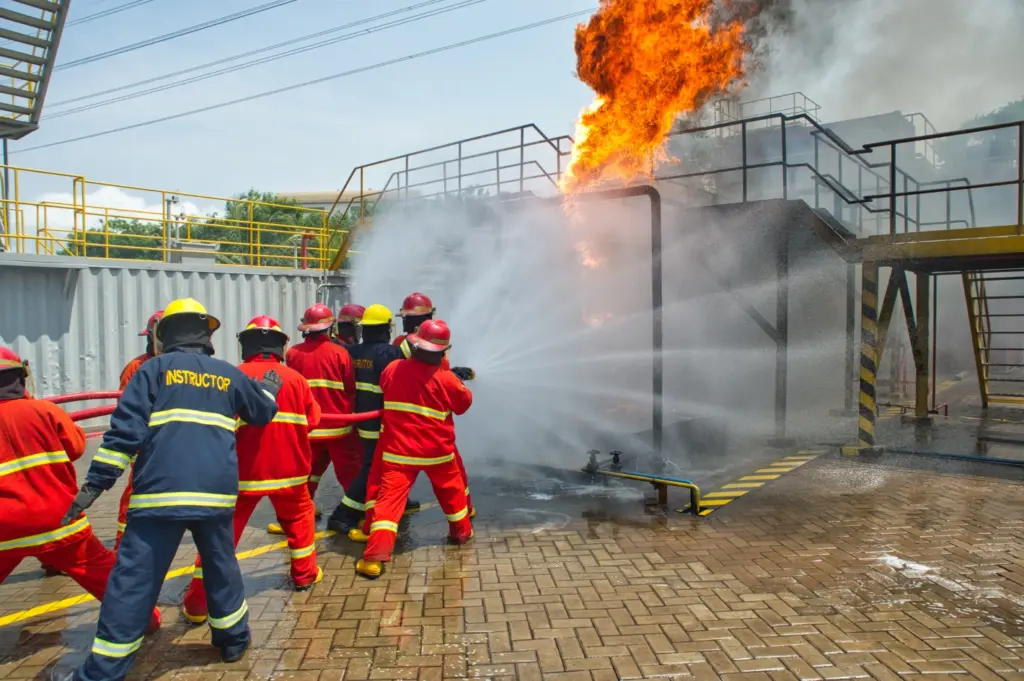
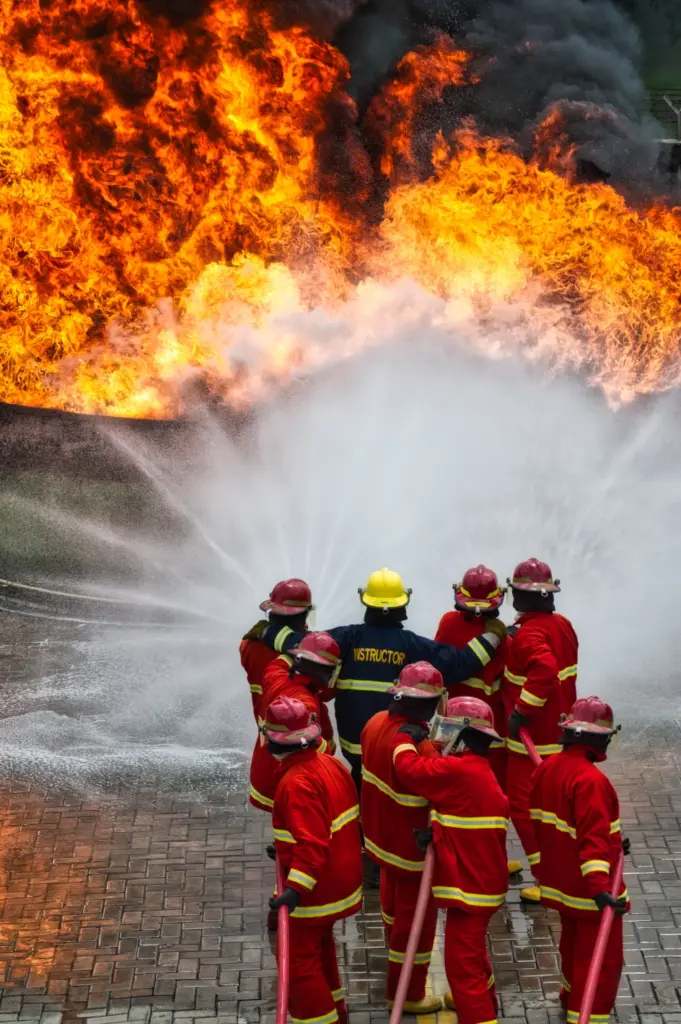
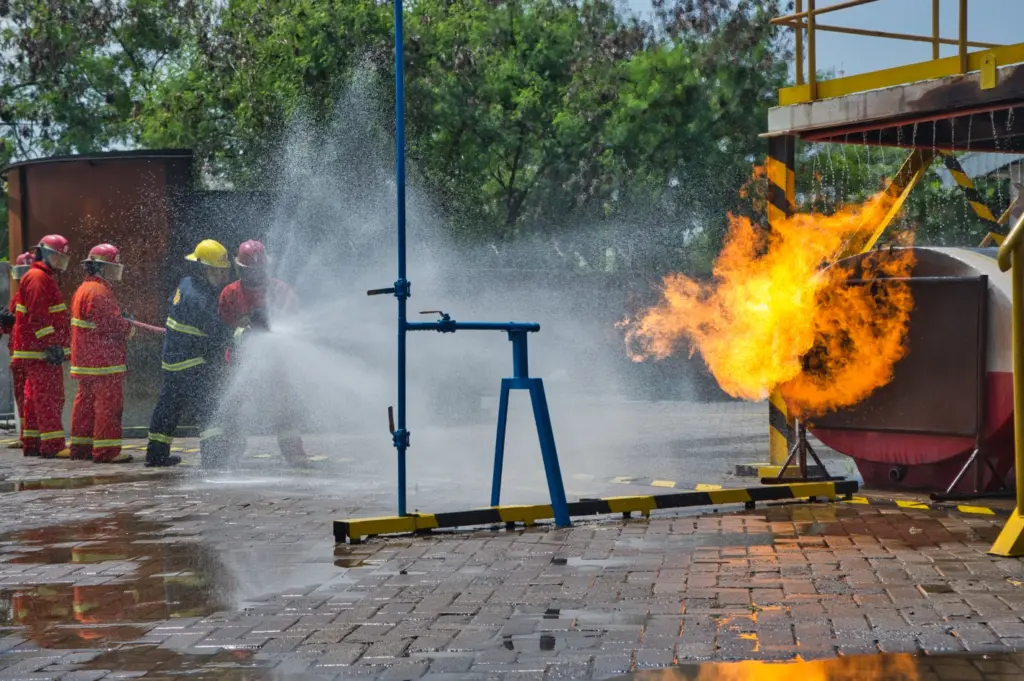
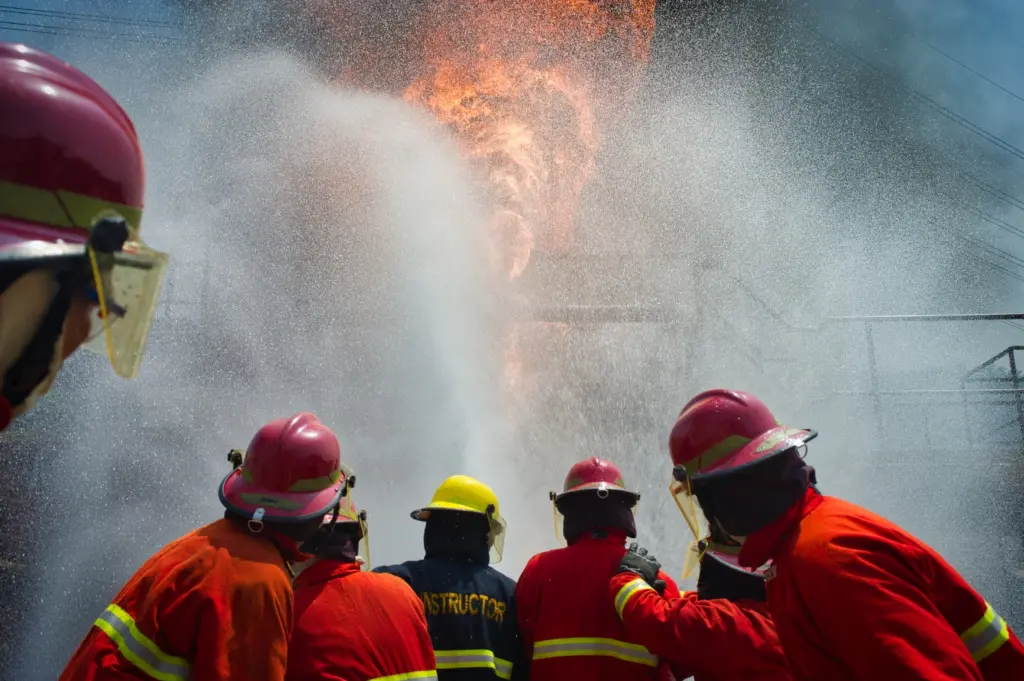
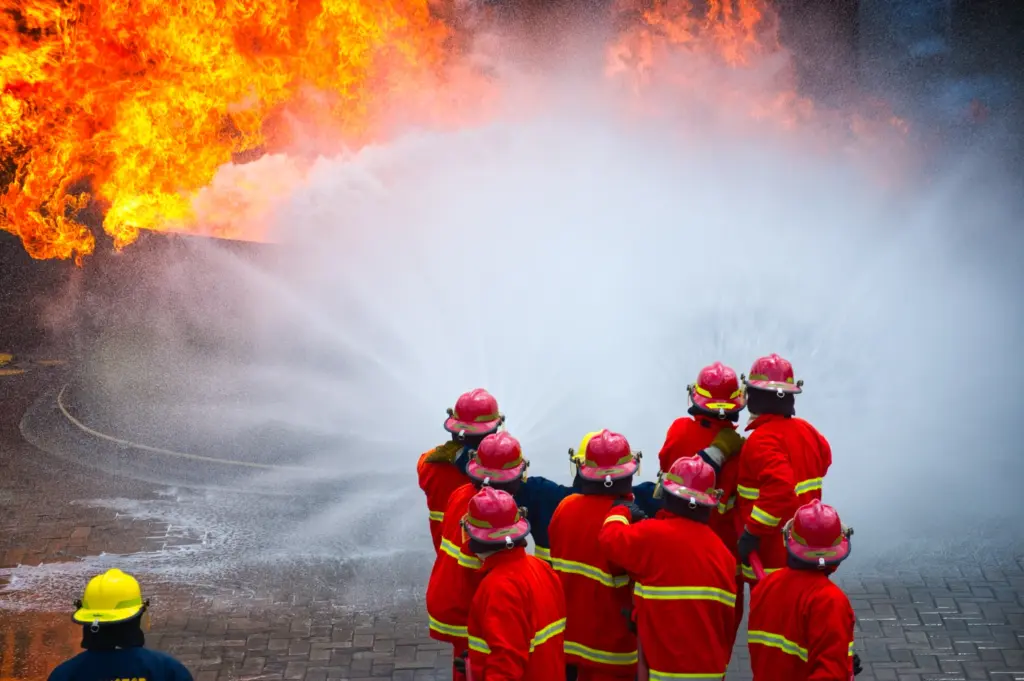
Offshore emergency response is a perishable skill. Many of the scenarios that OERTMs must be prepared to face, including live fires, hazardous atmospheres, confined space incidents, and complex multi-level search and rescue operations, cannot be replicated offshore within the constraints of routine drills. The OERTM Further Training programme addresses this gap, delivering intensive, scenario-based practical exercises in purpose-built live-fire training facilities that closely replicate the operational conditions found on offshore oil and gas installations.
With a strong emphasis on practical competence, approximately 90% of the programme is hands-on training. Learners refresh their proficiency in firefighting, breathing apparatus operations, search and rescue, and casualty recovery across the full range of fire and non-fire incident types. Successful completion of the course revalidates the learner’s OERTM certification for a further two years.
This programme forms part of the broader OERTM competence framework, which includes initial training, installation-specific instruction, and regular offshore drills.
Who Needs OERTM Further Training?
OERTM Further Training is required for personnel who currently serve as members of an Offshore Emergency Response Team and who need to revalidate their OPITO OERTM certification.
Because emergency response skills are perishable and many incident scenarios cannot be safely replicated during routine offshore drills, OERTMs must periodically undertake further training at an OPITO-approved training centre to refresh and maintain their operational competence.
This programme is therefore intended for personnel who already hold a valid OPITO OERTM certificate and who require refresher training to maintain their appointment as Offshore Emergency Response Team Members.
Scope
The OERTM Further Training programme provides existing Offshore Emergency Response Team Members with the opportunity to practise and maintain the skills required when dealing with emergency response situations as members of an Emergency Response Team, specifically in aspects of their role that they cannot reasonably practise offshore.
Training is conducted at an OPITO-approved onshore training centre using purpose-built live-fire facilities. The programme incorporates fire and non-fire incident scenarios across multi-level structures, with practical exercises covering firefighting, breathing apparatus operations, search and rescue, and casualty recovery.
The OERTM Further Training programme is delivered with an approximate ratio of 10% theory to 90% practical, reflecting the programme’s focus on maintaining operational skills through realistic, scenario-based exercises.
Note: This programme does not include practical training for accommodation fires involving ventilation fire in compartments where backdraft potential exists. Specialist training in this area should be sought where required.
General Course Objectives
The objectives of this training are that learners will be able to:
- Select and operate the correct firefighting equipment and media to extinguish different types of fires, including Class A, Class B, and Class C fires.
- Apply breathing apparatus control board procedures and safely operate, don, and perform wearer checks of working duration breathing apparatus.
- Identify and don the appropriate emergency response PPE required for different incident types.
- Select and use portable firefighting equipment correctly, and select, operate, and flush foam firefighting equipment.
- Participate effectively in incident briefings, apply dynamic risk assessment, and communicate effectively with the OERTL and OER team members throughout an incident.
- Demonstrate correct search and rescue procedures and techniques across multi-level offshore structures in varying visibility conditions.
- Carry out initial casualty assessment and recovery procedures, and participate in a post-incident debrief.
Course Content
Further Practical Exercises for the OERTM
The OERTM Further Training programme is structured around a single, intensive unit of further practical exercises. Following a brief theoretical refresher, learners participate as members of an emergency response team in a comprehensive series of scenario-based exercises conducted in live-fire training environments replicating the conditions found on offshore oil and gas installations.
Fire-related incident scenarios include:
- Accommodation fires (multi-level) including galley and laundry fires
- Process area fires (open and closed modules) including internal and external high-pressure and pool fires
- Machinery space fires including engine rooms and plant rooms
- Fabrication area fires including workshops and paint stores
- Fires involving closed containers or cylinders
Non-fire incident scenarios include:
- Unignited gas and liquid releases
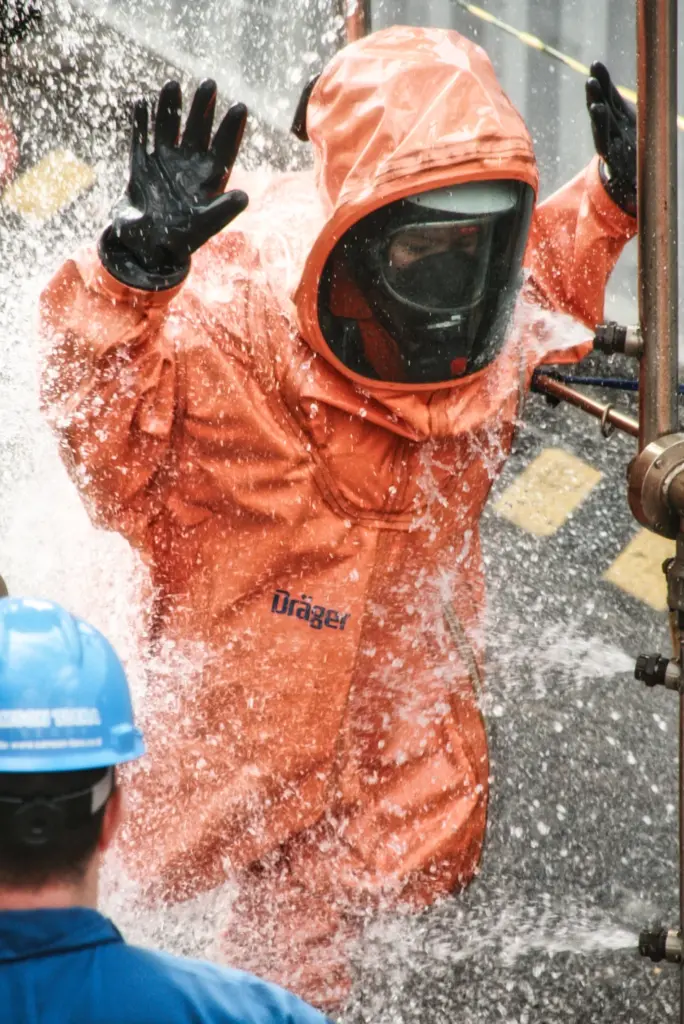
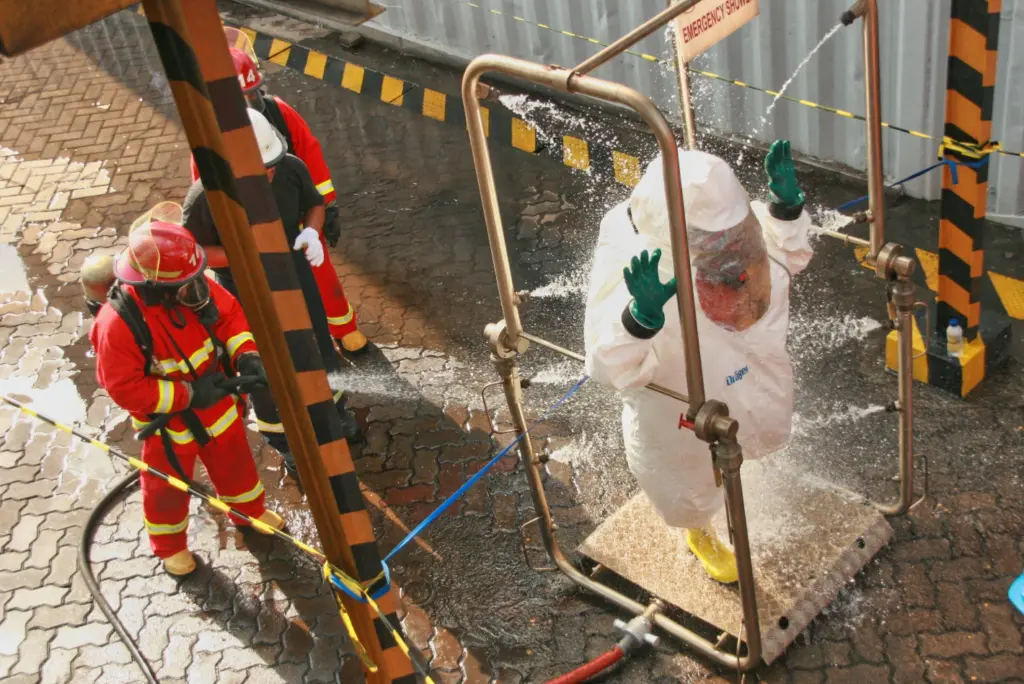
- Chemical incidents
- Confined space incidents
- Working at height incidents with restricted access
Each learner must participate in at least one scenario covering all three levels of a multi-level structure, incorporating casualty recovery and hose management with a charged hose. Exercises assess practical competency across firefighting equipment selection and operation, breathing apparatus procedures, search and rescue, casualty handling, incident briefing, team communication, and post-incident debrief.
Throughout all exercises, emphasis is placed on dynamic risk assessment, maintaining situational awareness in smoke-filled and restricted environments, effective team communication, and the correct application of emergency response protocols, ensuring that learners leave the programme with the confidence and competence to perform their OERTM role to the highest standard.
Prerequisites
- Learners must hold a valid OPITO Offshore Emergency Response Team Member certificate OR a valid OPITO Offshore Emergency Response Team Member Further Training certificate.
- All participants must satisfy medical fitness requirements prior to undertaking practical exercises. Participants must hold a valid offshore medical certificate, an operator-approved medical certificate, or complete an appropriate medical screening form as provided by the OPITO-approved Centre.
Accommodation Options
The Royal Krakatau Hotel
Emerald by Royal Krakatau
Forbis Hotel Cilegon
Swiss Belexpress Cilegon
Amaris Hotel Cilegon